
Monroe County NY Sump Pump Discharge Rules for Basements
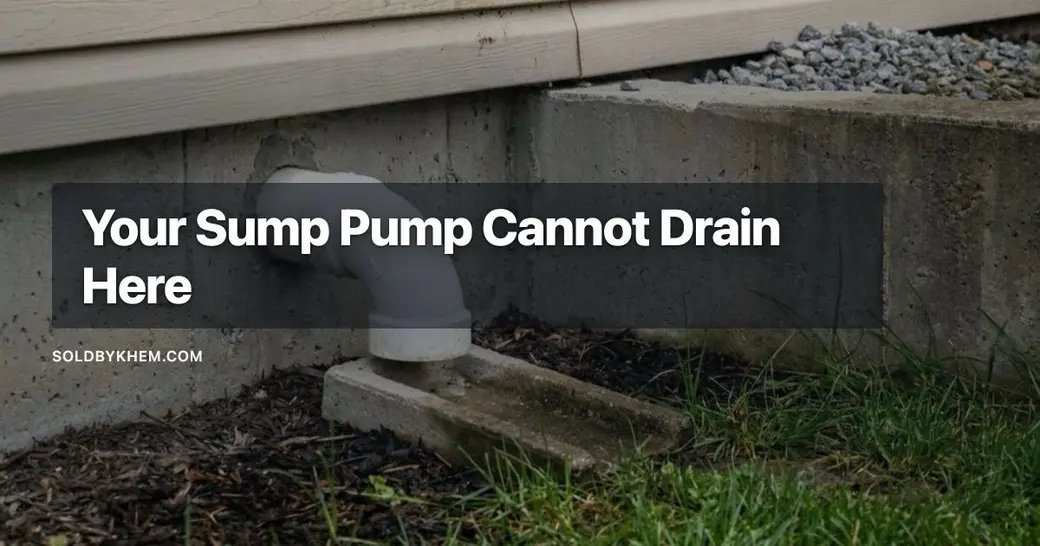
Where is a sump pump allowed to discharge in Monroe County, NY?
In Monroe County, sump pump water must discharge to the ground surface, a storm sewer, or an approved drainage system, and it must be directed away from the foundation and off neighboring property. Connecting a sump pump to the sanitary sewer is prohibited, because clean groundwater overloads treatment capacity and causes backups. Confirm requirements with your town before installing.
If you have water in your basement, the pump is only half the job. The other half is where the water goes after it leaves the pit. That part is regulated, and it is one of the most common things I see written up on inspection reports in Henrietta, Brighton, Pittsford and Rush.
This post covers what the rules generally require, where the water is allowed to go, the discharge setups that cause trouble in a sale, and what it usually takes to correct one. I am a real estate agent, not a plumber or a code officer. Before you cut a pipe, call your town building department. Rules differ from town to town and they get updated.
Why does sump pump discharge get regulated at all?
Because the water is clean, and clean water does not belong in a sanitary sewer. A sanitary sewer carries waste to a treatment plant. That plant is sized for a certain volume. When hundreds of sump pumps in a neighborhood dump groundwater into the same pipes during a spring thaw, the system fills with water it was never built to treat. The result is backups, in basements, sometimes not the basement that caused the problem.
That is the core of sump pump discharge code in NY and in most of the country: groundwater goes to the ground or to a storm system. Waste goes to the sanitary sewer. The two do not mix. Municipalities enforce this because they pay to treat every gallon that arrives at the plant.
There is a second reason, and it is the one that shows up in real life more often. Water discharged badly comes back. A pipe that ends two feet from the foundation is a recirculating loop. The pump moves the water out, the ground takes it back down, the pump runs again. I have stood in basements where the pump cycled every ninety seconds in dry weather because of exactly that.
Where is the water actually allowed to go?
Generally speaking, in south and southeast Monroe County, acceptable destinations look like this:
- Onto the ground surface, well away from the house. This is the most common and usually the simplest. The discharge point needs to be far enough from the foundation, and the ground needs to slope away so the water keeps moving.
- To a storm sewer or municipal storm drain, where the town permits a connection. Some towns allow it, some require a permit, some do not allow a direct tie in at all. Ask first.
- To a dry well or approved drainage structure on your own property. A gravel filled pit sized to take the volume, set back from the foundation. These work until they silt up, which they eventually do.
- To a drainage swale or ditch on the property, where one exists and where discharging into it does not push water onto the neighbor.
What is not acceptable, essentially anywhere:
- The sanitary sewer. No floor drain connection, no laundry tub, no tie into the house drain. This is the big one.
- Directly onto a neighbor's land. You do not get to solve your basement water by relocating it thirty feet sideways.
- Onto a public sidewalk or into the street, in towns that prohibit it. In a Rochester winter, that is an ice hazard, and it is treated as one.
- Into a septic system. On the properties out toward Mendon and Rush that are on septic, sending clean water into a leach field will drown it. Septic repairs are expensive.
The setups I see most often in older houses
Housing stock here spans a lot of decades. In the older homes, and in plenty of 1950s and 1960s subdivisions, the discharge was done before anyone was checking.
The laundry tub discharge. A flexible hose runs from the pump up and over into the utility sink. It is quiet, it is convenient, and it is a sanitary sewer connection. Inspectors catch this immediately.
The floor drain discharge. Same problem, less obvious. The pump pushes water into a pipe that goes into the floor, and nobody knows where the floor drain goes. Sometimes it is storm. Often it is sanitary.
The short discharge. Pipe exits the rim joist and ends immediately, splashing against the foundation wall. Cheap to fix, and it is often the actual cause of the water problem rather than a symptom.
The buried line to nowhere. Discharge goes underground and the seller does not know where it comes out. Sometimes it comes out fine. Sometimes it is crushed, frozen, or was cut during a patio installation in 1994. If the pump runs and no water appears anywhere outside, something is wrong.
The frozen winter line. A buried discharge that runs uphill or holds water will freeze solid in January. The pump keeps running against a plug of ice until it burns out. Then the basement floods.
What happens when this comes up in a home sale?
A discharge problem is almost always fixable, and it is almost always cheaper to fix before a buyer's inspector finds it. Here is how it usually plays out.
The inspector opens the sump lid, looks at the pipe, and traces it. If it goes into the laundry tub or a floor drain, that goes in the report with language about an improper connection. The buyer's agent asks for it to be corrected. Now you are negotiating under a deadline, with a licensed plumber's schedule between you and the closing date.
Do it in advance instead. Get a plumber out, reroute the discharge to an approved location, keep the invoice, and hand it to the buyer with the disclosure. A documented repair reads as maintenance. The same repair demanded at inspection reads as a hidden defect, and buyers price that in.
New York's property condition disclosure obligations mean water issues are not something to paper over. If the basement takes water, say so, say what you did about it, and show the paperwork. Buyers in this market look at basements carefully. A dry basement with a clear explanation of the drainage system beats a suspiciously clean one with no story.
How do I tell if my discharge is done correctly?
Run this check yourself in an hour. You need a flashlight and a garden hose.
- Find the pit and open it. Look at the pipe leaving the pump. Follow it with your eyes as far as you can.
- See where it leaves the building. It should go through the wall or rim joist and outside. If it goes down into the floor or into a sink, stop and call a plumber.
- Go outside and find the outlet. Pour a few gallons of water into the pit with the hose. The pump should kick on. Walk outside and watch where the water comes out.
- Measure the distance from the foundation. Then watch which way the water travels. Toward the house is a problem. Toward the neighbor's yard is a different problem.
- Check the check valve. If you hear a loud clunk every time the pump shuts off, or if the pit refills instantly after the pump stops, the valve is failing.
- In winter, check the outlet for ice. A buried line that has frozen shut needs to be dealt with before the next thaw.
Simple fixes versus real drainage work
Not every basement water problem is a drainage system problem. Sequence matters, and cheap comes first.
- Extend the discharge. Add rigid pipe or a splash extension so the water lands well clear of the foundation. Cheapest fix there is.
- Fix the gutters and downspouts. Roof water dumped at the foundation is the single most common source of basement water I see. Extending downspouts costs very little and often reduces pump cycles noticeably.
- Regrade the soil against the house. Soil settles over decades and starts sloping back toward the wall. Regrading is dirt and labor.
- Reroute an improper connection. Plumber work, permit possible, but a defined job with a defined cost.
- Interior perimeter drain and new sump. A real project. Reserve it for houses where the simpler steps have been done and water still comes in.
I have watched owners spend five figures on waterproofing when the actual problem was a downspout discharging six inches from the wall. Do the cheap things first and see what is left.
Common questions
Can I connect my sump pump to the sanitary sewer in Monroe County?
No. Discharging clean groundwater into the sanitary sewer is prohibited, because it overloads the treatment system and contributes to sewer backups during heavy rain and snowmelt. That includes running the discharge hose into a laundry tub or a floor drain that ties into the house drain. If your pump is set up that way now, a licensed plumber can reroute it, and your town building department can tell you what is approved locally.
How far from the foundation should sump pump water discharge?
Far enough that the water keeps moving away and does not soak back down along the foundation wall. The exact distance depends on your soil, your grade and your lot size, so check with your town for a local standard. Practically speaking, a pipe that ends right at the wall will send the same water back into your pit within hours. Extending it and making sure the ground slopes away is the first thing to try.
Does a sump pump hurt a home's value in Rochester?
A working sump pump with a proper discharge is normal equipment in this region and is not a negative on its own. What concerns buyers is an unexplained water stain, an improper sewer connection, or a seller who cannot say where the discharge line goes. Documentation changes the conversation. Invoices, a photo of the outlet, and a straight answer about how the system performs in spring do more for value than a fresh coat of basement paint.
Do I need a permit to move my sump pump discharge line?
Sometimes, and it depends on the town and on what you are doing. Extending a surface discharge usually does not require one. Connecting to a storm sewer, installing a dry well, or altering plumbing inside the house often does. Call the building department in Henrietta, Pittsford, Brighton, Mendon or Rush before the work starts. One phone call is cheaper than an unpermitted repair discovered at closing.
My discharge line freezes every winter. What do I do?
Freezing usually means the line holds standing water, runs uphill, or terminates below grade where it can ice over. Options include a larger diameter line, a steeper pitch, a freeze relief fitting near the exit point, or switching to an above ground discharge for the winter months. Address it before the pump burns out running against an ice plug, because that is how basements flood in February.
Talk it through before you list
If you have basement water in Monroe County and you are thinking about selling in the next year, the discharge question is worth sorting out early. I have been in a lot of these basements and I can tell you what a buyer's inspector is likely to write up and what it tends to cost to address.
Schedule a time with Khem Kadariya and we will look at your basement, your disclosure obligations and your timing together. No pressure and no charge for the conversation.
About this data
The figures in this post were compiled from publicly available sources including Zillow, Houzeo, Movoto, RochesterFirst and FRED (Federal Reserve Bank of St. Louis), along with other public market data. Real estate numbers change quickly, and these were accurate as of September 2026. For current figures on a specific home, street, or town, ask me directly rather than relying on a published average.
Keep reading
Need Help With Financing?
Thinking about buying a home and wondering what financing options may be available to you?
I recommend connecting with my preferred lending partner, Brian Haefner with Premium Mortgage Corporation. Whether you are a first-time homebuyer, relocating to the Rochester area, purchasing your next home, or simply want to understand your mortgage options and buying power, Brian can help you explore your financing options and answer your mortgage-related questions.
Stay Connected With Khem
Looking for more Rochester real estate information, community updates and local insight?
Have a question about Rochester real estate? talk with Khem and we can talk it through.
Recent Posts









Khem Kadariya
Phone