
8 Rochester Home Decisions That Feel Small Now But Matter More Later

What everyday homeowner habits in Rochester NY end up causing the biggest problems down the road?
The most common ones are delaying maintenance because nothing feels urgent, choosing short-term convenience over long-term function, leaving rooms that no longer work untouched, ignoring that the house no longer fits current life, and spending on appearance before fixing daily friction. Others include putting off bigger conversations about whether the home is still the right fit, not asking what the next chapter of life actually needs, and assuming there will always be more time to decide. A better approach is to notice repeated friction, solve the issues that affect daily life most, and step back before things feel urgent.
A lot of homeowners think the big decisions are the ones that shape everything.
Buying.
Selling.
Moving.
Renovating.
Those decisions do matter, of course. But a lot of the stress people feel later usually comes from smaller choices that did not seem very important at the time. In Rochester real estate, those quieter decisions often shape whether a home feels easier to live in, easier to sell, or easier to leave behind when life changes.
Here are 8 Rochester home decisions that feel small now but matter more later.
Why do Rochester NY homeowners put off home maintenance?
A lot of home issues begin as small background problems.
A minor leak.
A loose handrail.
A drafty window.
A slow drain.
A cracked seal.
None of these things feels dramatic right away. That is exactly why they get delayed. But when small maintenance issues collect over time, they change how the house feels and how expensive the next stage becomes. What feels manageable today can become frustrating later simply because it was allowed to stay unresolved too long.
Is convenience worth more than long-term function in a home?
People make decisions quickly when daily life gets busy.
They put storage wherever it fits.
They rearrange rooms for short-term convenience.
They let one space become a catch-all.
They solve a small problem in a way that creates a bigger one later.
That happens in every house. The issue is not one temporary choice. The issue is when temporary choices start becoming the permanent structure of how the home works. Over time, the house begins to feel harder to use even though nothing major seems to have gone wrong.
Should I change a room I never use in my Rochester NY home?
A lot of homeowners live with spaces that no longer work well.
The furniture layout is off.
The guest room has turned into storage.
The office is no longer practical.
The dining room never gets used.
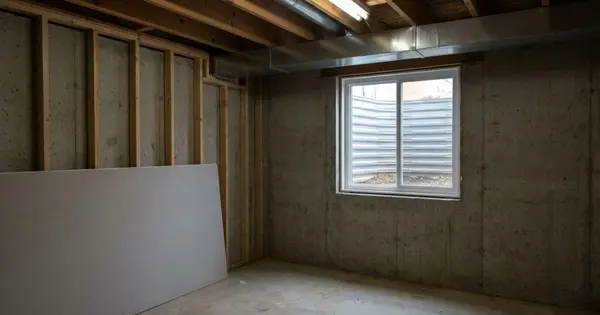
The basement is technically finished but not actually useful.
These are easy situations to ignore because they do not feel urgent. But the longer an unhelpful room stays untouched, the more normal it begins to feel. That can keep the whole house from functioning as well as it could.
Does my Rochester NY house still fit my current life?
Sometimes the house still works in a basic sense, but it no longer fits the life being lived inside it.
Maybe the routine has changed.
Maybe the family has changed.
Maybe work has changed.
Maybe the amount of upkeep no longer feels reasonable.
Maybe the location is no longer as practical as it once was.
That kind of mismatch usually builds slowly. People adapt to it piece by piece until one day the house feels more demanding than supportive. That is often when the homeowner realizes the issue was not one dramatic problem. It was a long series of small decisions to keep adjusting instead of stepping back and asking whether the fit still made sense.
Should I fix daily friction before updating my home's appearance?
Some homeowners improve the look of the house before improving the way it works.
That can feel satisfying in the short term, but it does not always lead to a better daily experience. A home can look fresher while still being awkward, crowded, inefficient, or uncomfortable to live in. When that happens, the money goes toward appearance while the real sources of frustration stay in place.
The better order is usually simpler. Solve friction first. Improve looks second. A house that works well tends to feel better even before it becomes more polished.
Why do homeowners delay hard conversations about their house?
This is one of the most common patterns in real estate.
A homeowner starts sensing that the house may no longer be the right fit, but the idea of discussing it seriously feels exhausting. So the conversation gets delayed. Then delayed again. Meanwhile, more time passes, more small fixes pile up, and more energy gets spent trying to make the current situation feel easier.
Sometimes staying is still the right answer.
But avoiding the question is not the same as answering it.
What will my next chapter need from a Rochester NY home?
A lot of homeowners focus only on the present version of the house.
They ask whether the home is acceptable now.
They ask whether they can tolerate the next repair.
They ask whether one more project might make things feel better.
What they do not always ask is what the next chapter of life actually needs. More space. Less space. Less upkeep. A better location. Simpler routines. A different layout. Better access. More flexibility. When those questions get ignored, people often keep investing in a version of the home that no longer matches where life is heading.
For Rochester homeowners who are starting to think through those bigger decisions, Khem Kadariya is a helpful local resource for planning and strategy. If a simpler selling route starts making more sense than a traditional process, 585 Home Buyers can be useful as a local home buyer partner. If the real question is about where in the area life may fit better next, Living Rochester Suburbs can help with that perspective.
Is there really more time to figure out my housing plans?
This may be the quietest mistake of all.
A lot of homeowners believe they can revisit the question later.
Later this year.
Later after another season.
Later after one more project.
Later after life calms down.
Sometimes that works. Often, it just turns uncertainty into a long habit. The result is that small decisions keep being made without a larger plan behind them. That is usually when people look back and realize the bigger decision had been forming for a long time.
A better way to think about home decisions
If you want to make better long-term choices about your home, it helps to step back before things feel urgent.
How do I spot repeated friction in my Rochester NY home?
Small frustrations that happen often usually matter more than one-time inconveniences.
Which home problems affect daily life the most?
Start with the issues that shape comfort, function, and ease of use.
How do I honestly reevaluate whether my house fits?
A house can still be good and still no longer be right for you.
How do I plan ahead instead of just reacting at home?
The strongest decisions usually come before the pressure becomes obvious.
How does the bigger pattern guide my next move in Rochester NY?
One small issue may not mean much.
A long pattern usually does.
Final thoughts
A lot of important home decisions do not arrive with a dramatic moment. They build quietly through habits, delays, small compromises, and repeated friction. Rochester homeowners usually make stronger choices when they pay attention to those smaller signals early instead of waiting for the house to force a bigger decision later.
Keep reading
Need Help With Financing?
Thinking about buying a home and wondering what financing options may be available to you?
I recommend connecting with my preferred lending partner, Brian Haefner with Premium Mortgage Corporation. Whether you are a first-time homebuyer, relocating to the Rochester area, purchasing your next home, or simply want to understand your mortgage options and buying power, Brian can help you explore your financing options and answer your mortgage-related questions.
Stay Connected With Khem
Looking for more Rochester real estate information, community updates and local insight?
- browse current Rochester listings
- download the Rochester Relocation Guide
- Rochester updates on Instagram
Have a question about Rochester real estate? start a conversation with Khem and we can talk it through.
Recent Posts








Khem Kadariya
Phone