8 Home Tips That Help A Rochester House Feel Calmer And More Functional

How can I make my home in Rochester NY feel less cluttered and stressful without doing a big renovation?
Start with the spaces that collect daily stress, like the entry, kitchen counter, hallway, and dining table, and reset those first. Make daily-use items easy to reach, improve lighting before buying new decor, give vague spaces one clear purpose, and place storage where life actually happens. Fix the small annoyances such as a sticking door, a loose handle, a flickering light, or a drawer that never closes, since together they make a house feel unsettled. Focus on function and reducing friction before appearance or bigger projects.
A lot of homeowners think improving a house means starting a big project.
A renovation.
A redesign.
A full room makeover.
A major purchase that finally fixes everything.
Sometimes that helps, but a house often feels better because of smaller changes. The best home tips usually improve how the space works day to day. They reduce friction. They make routines easier. They help the house feel less busy and more supportive without requiring a major overhaul.
Here are 8 home tips that help a Rochester house feel calmer and more functional.
Which spaces in a Rochester NY home collect the most stress?
Every house has one or two spaces that quietly absorb daily chaos.
The entry fills with shoes and bags.
The kitchen counter becomes a drop zone.
The hallway gathers random items.
The dining table starts holding everything except meals.
Those areas matter because they affect the tone of the whole house. When the most stressful spaces are reset first, the home usually feels lighter much faster than expected.
How do I make daily-use items easier to reach at home?
A lot of clutter is really a systems problem.
If the things you use every day do not have an easy place to live, they end up staying out all the time. That makes the house feel busier even when nothing is technically wrong. A home usually functions better when the most-used items are the easiest to access and the least-used items are stored more intentionally.
Should I improve lighting before changing decor?
People often try to refresh a room with new furniture or accessories when the real issue is the lighting.
A dark room can feel smaller, heavier, and less comfortable than it really is. Better lighting can make a home feel cleaner, calmer, and more open without requiring a major redesign. It is one of the simplest ways to improve how a room feels in everyday life.
How do I give problem areas in my house a purpose?
A lot of homes have spaces that feel slightly off because they are doing too many jobs at once.
Maybe a corner is part office, part storage, part catch-all.
Maybe a spare room has no clear role.
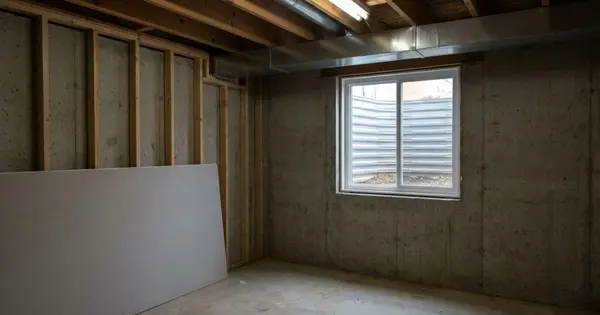
Maybe a basement space never became truly usable.
When an area has no defined purpose, it usually becomes cluttered or underused. Giving that space one clear role often improves the whole house more than people expect.
What small home repairs quietly wear on you?
Small household problems can be more draining than they seem.
A sticking door.
A loose handle.
A noisy vent.
A drawer that never closes right.
A light that always flickers.
A shelf that feels unstable.
None of these sounds major on its own. But together, they create a low level of irritation that makes the house feel less settled. Handling those little issues can make a home feel more cared for without a major expense.
How can storage reduce visual clutter in a Rochester NY home?
Storage should not only hide things.
It should make the house easier to live in.
When storage is placed where life actually happens, rooms stay calmer with less effort. When storage exists but does not match how the household moves through the day, clutter keeps reappearing in the same places. Good storage supports habits instead of fighting them.
How should a house feel, not just look?
A room can look decent and still feel difficult.
Maybe it is awkward to move through.
Maybe it always feels too warm or too dark.
Maybe it looks fine in photos but never feels relaxing in real life.
That is why good home decisions are not only about appearance. The stronger question is whether the house feels easy to use, easy to maintain, and easy to enjoy on an ordinary day.
Does my house need more improvement or less friction?
This is one of the most useful questions a homeowner can ask.
Sometimes the answer really is another project.
Sometimes the better answer is less stuff, better systems, and a simpler way of using the home.
For Rochester homeowners trying to think through whether to improve the current house, make a future move, or simplify their situation, Khem Kadariya is a strong local resource for planning and strategy. If simplifying may eventually mean selling in a more direct way, 585 Home Buyers can be useful as a local home buyer partner. If the bigger question is whether another area in the region would fit daily life better, Living Rochester Suburbs helps with that perspective.
A better way to improve the house
If you want the home to feel better without creating unnecessary complexity, a better approach usually looks like this:
How do I find daily friction points in my Rochester NY home?
Focus on the places and habits that create repeated stress.
Should I improve function before appearance at home?
A house that works better usually feels better too.
How do I fix what quietly bothers me about my house?
Small issues often affect comfort more than expected.
How do I keep home systems simple?
The easier the home is to maintain, the more consistently it will feel calm.
Will this Rochester NY house fit me long term?
Sometimes the right change is inside the house.
Sometimes the right question is bigger than the house itself.
Final thoughts
A better home does not always come from a dramatic upgrade. Often, it comes from reducing the little points of friction that make daily life feel harder than it should. Rochester homeowners usually get the best results when they focus on comfort, function, and simplicity before jumping into bigger projects.
Keep reading
Need Help With Financing?
Thinking about buying a home and wondering what financing options may be available to you?
I recommend connecting with my preferred lending partner, Brian Haefner with Premium Mortgage Corporation. Whether you are a first-time homebuyer, relocating to the Rochester area, purchasing your next home, or simply want to understand your mortgage options and buying power, Brian can help you explore your financing options and answer your mortgage-related questions.
Stay Connected With Khem
Looking for more Rochester real estate information, community updates and local insight?
- browse current Rochester listings
- download the Rochester Relocation Guide
- Rochester updates on Instagram
Have a question about Rochester real estate? contact Khem and we can talk it through.
Recent Posts







Khem Kadariya
Phone